I still remember the first time I planted my Sub-Fief Console in the desert of Arrakis. The tutorial had me lay down a few foundation tiles, and suddenly I had a tiny shelter from the relentless sun. But I knew that tiny hut was only the beginning. The real question was: where do I go from here? If you’re like me, a bit overwhelmed by the sheer scale of base building in Dune: Awakening, let me walk you through the lessons I learned the hard way.
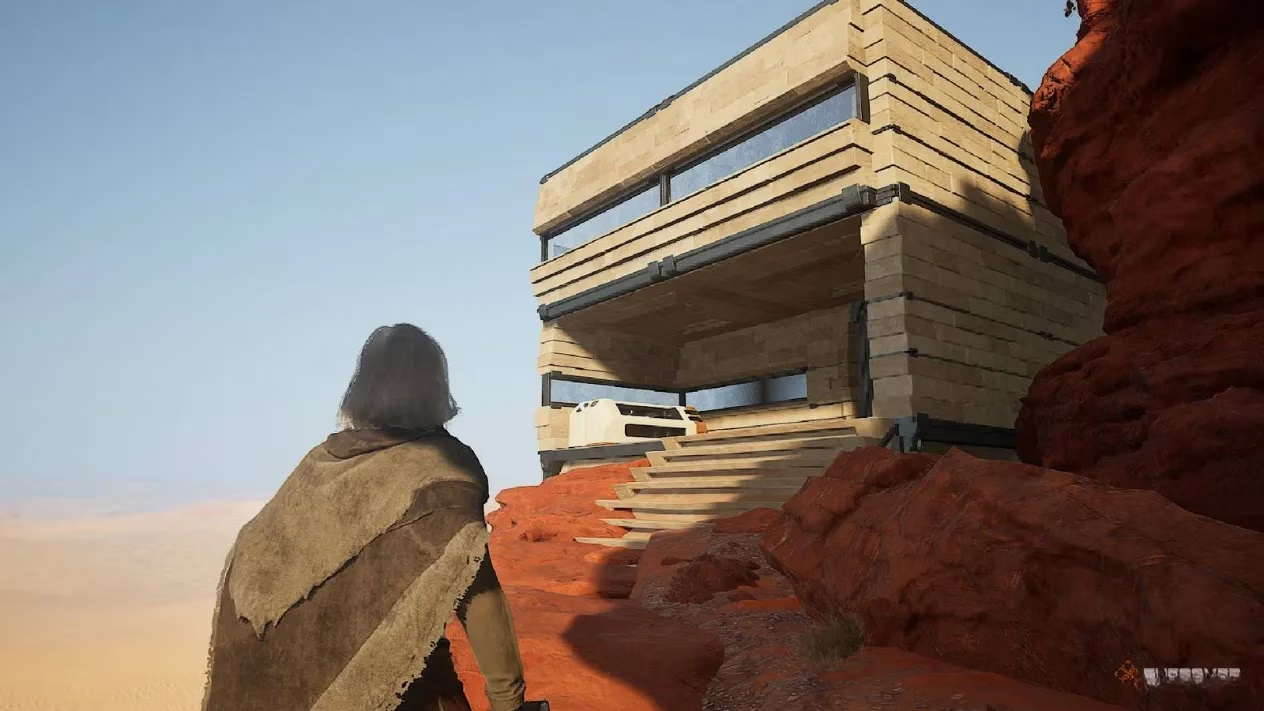
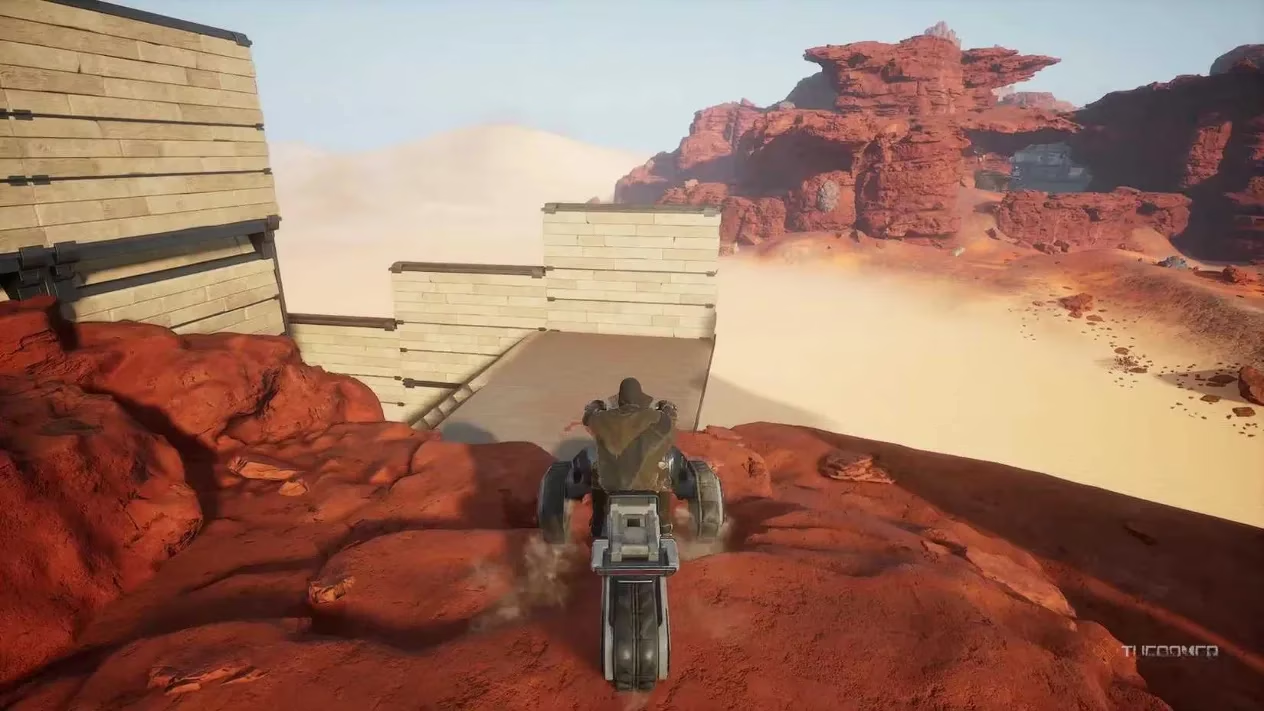
My first panic came when I realized just how uneven the desert floor is. I had placed my console on a rocky slope, thinking I could just build my way to flatness. While you can snap foundation tiles onto uneven terrain to create a level surface, I quickly noticed my character stumbling over the jagged edges every time I walked out the door. It felt like my base was fighting me. That’s when I decided to scout for a relatively flat area. A bit of natural smoothness makes navigating around your structures much less frustrating, and it also lets you expand a single level without having to constantly adjust for dips and rises. I tried a small plateau I’d spotted near a dune valley, and suddenly expanding felt effortless. Even better, if you later decide the spot isn’t big enough for your grand vision, the game allows you to move—so there’s no need to panic about a too-small starter plot.
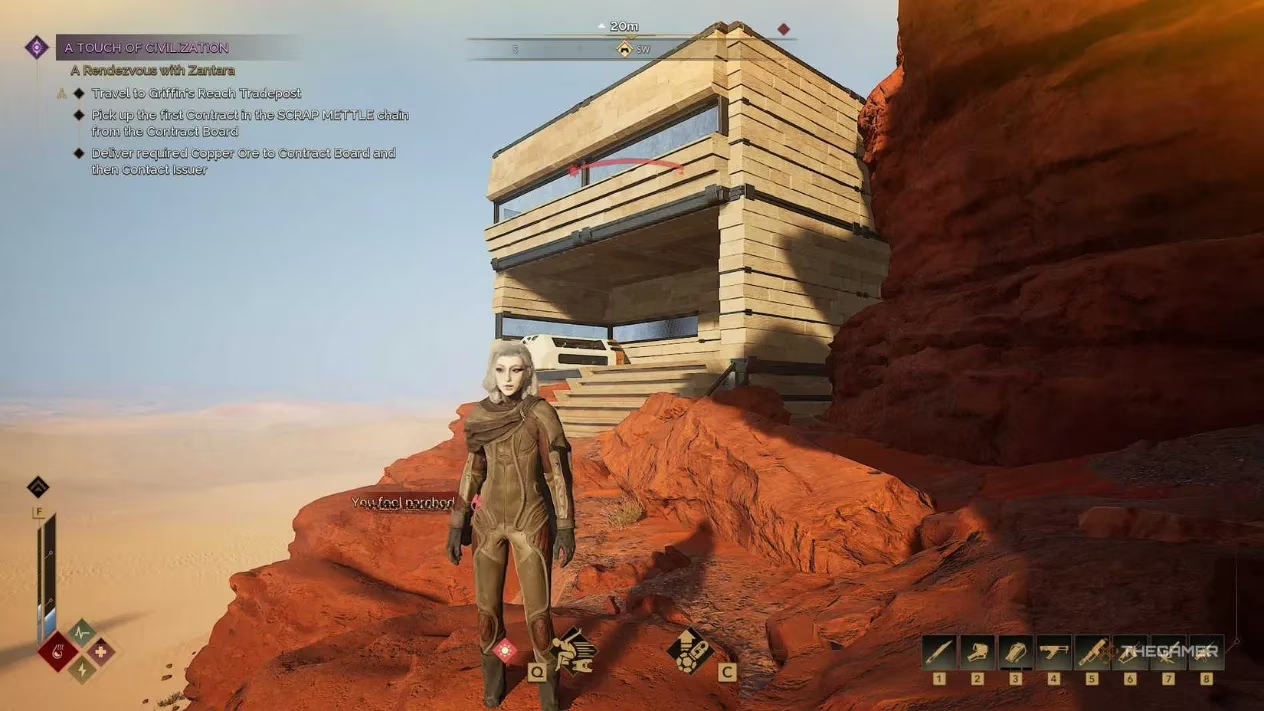
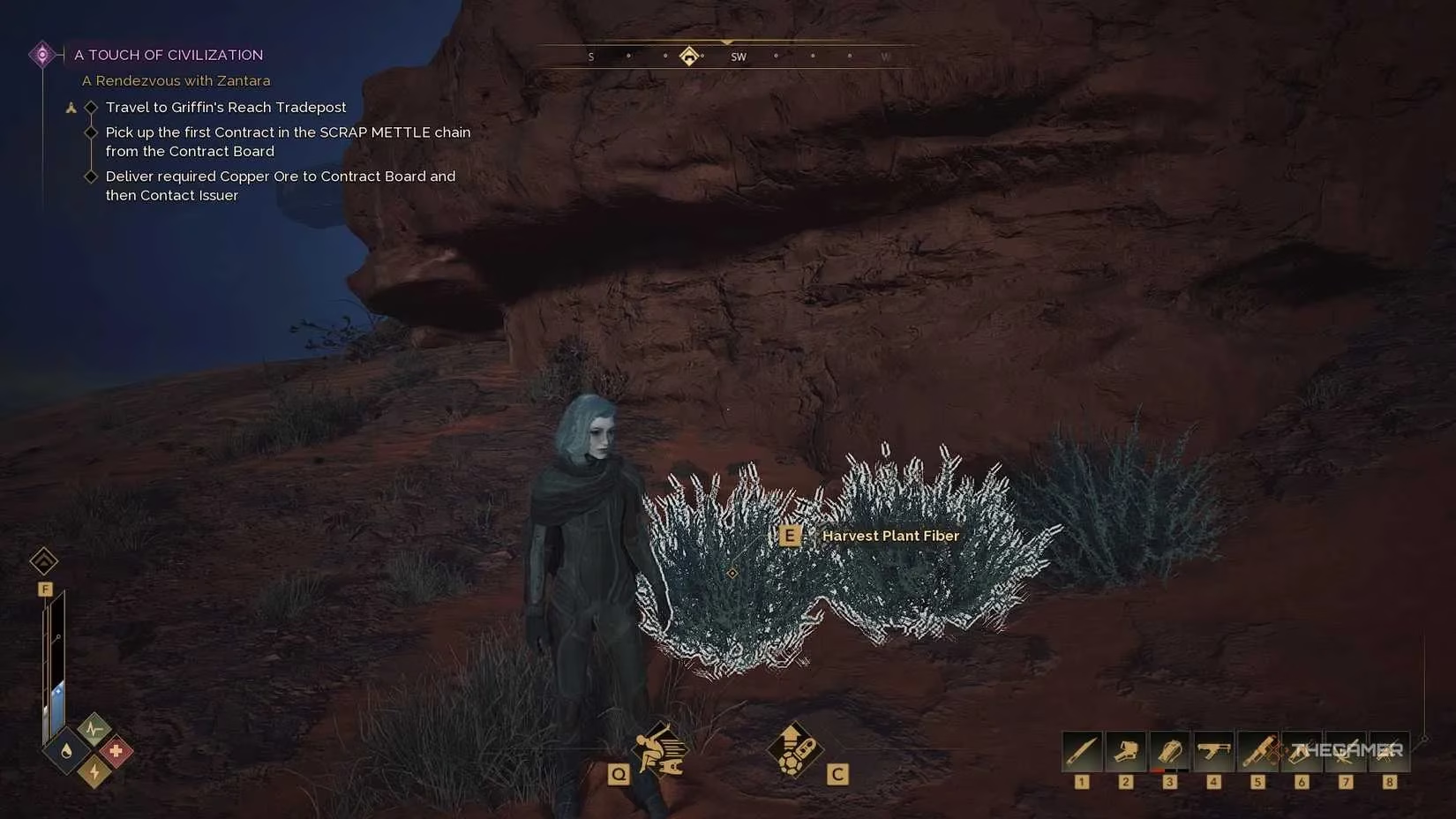
Of course, flat ground alone doesn’t make a great home. My next blunder was choosing a remote spot far from anything useful. Solitude sounds romantic until you’re trekking five kilometers just to find a few Dew Flowers for water. Early survival is brutal that way. I learned to settle near resources—not necessarily right on top of a scavenger camp (that can be dangerous), but close enough that a quick sandstone buggy ride gets me to plant fibers, metal scraps, and those life-giving Dew Flowers. I ended up placing my base about a minute’s dash from a wide clearing with a dense cluster of vegetation. Every time I returned from a long exploration, I could top up my water reserves without a second thought.
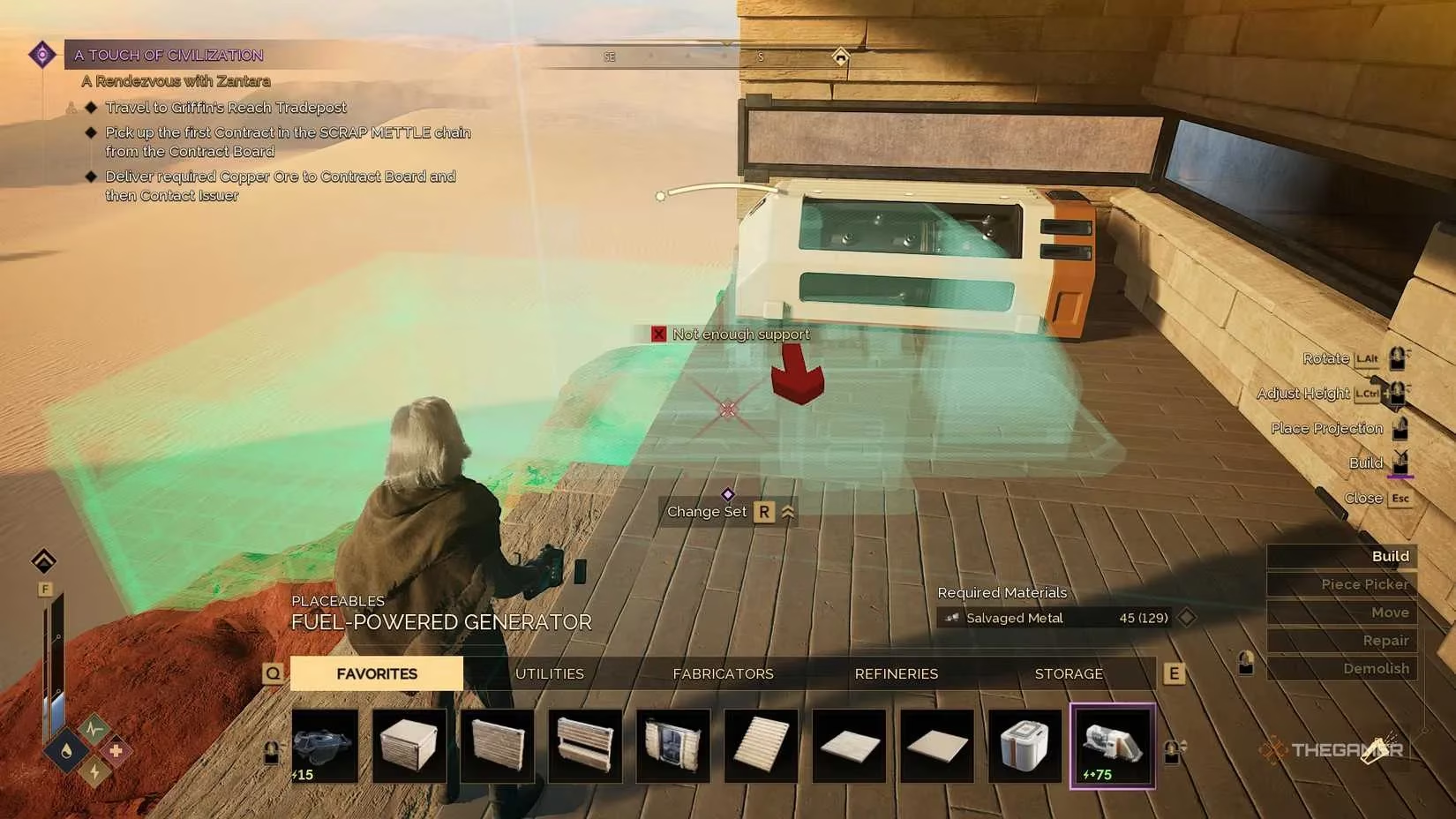
Once I had the location sorted, the real fun began. But instead of rushing to build walls and machines, I discovered the blueprint system, and it completely changed how I approached my base. When you enter build mode, a single click plops down a translucent preview of the piece. You can switch between different blueprints and lay out your entire layout without spending a single resource. I must have spent half an hour just dragging garage bays, crafting stations, and storage rooms around to see how everything fit. Holding the interact button on a blueprint then builds the real thing. I highly recommend this planning phase: it saved me from tearing down walls later because I forgot to leave space for a corridor.
Even with careful planning, I once made a classic mistake: I boxed myself in. After expanding outward, I walked around the perimeter and realized the only way out was a sheer rock face. Sure, you can climb, but after the tenth time, the novelty wore off. Now I always reserve a clear entry zone. Think about how you’ll drive a sandbike into your garage or just step out to grab a Dew Flower. I learned to place doors on the side that faces the most frequent resource nodes. It seems trivial, but convenience adds up when you’re making dozens of trips a day.
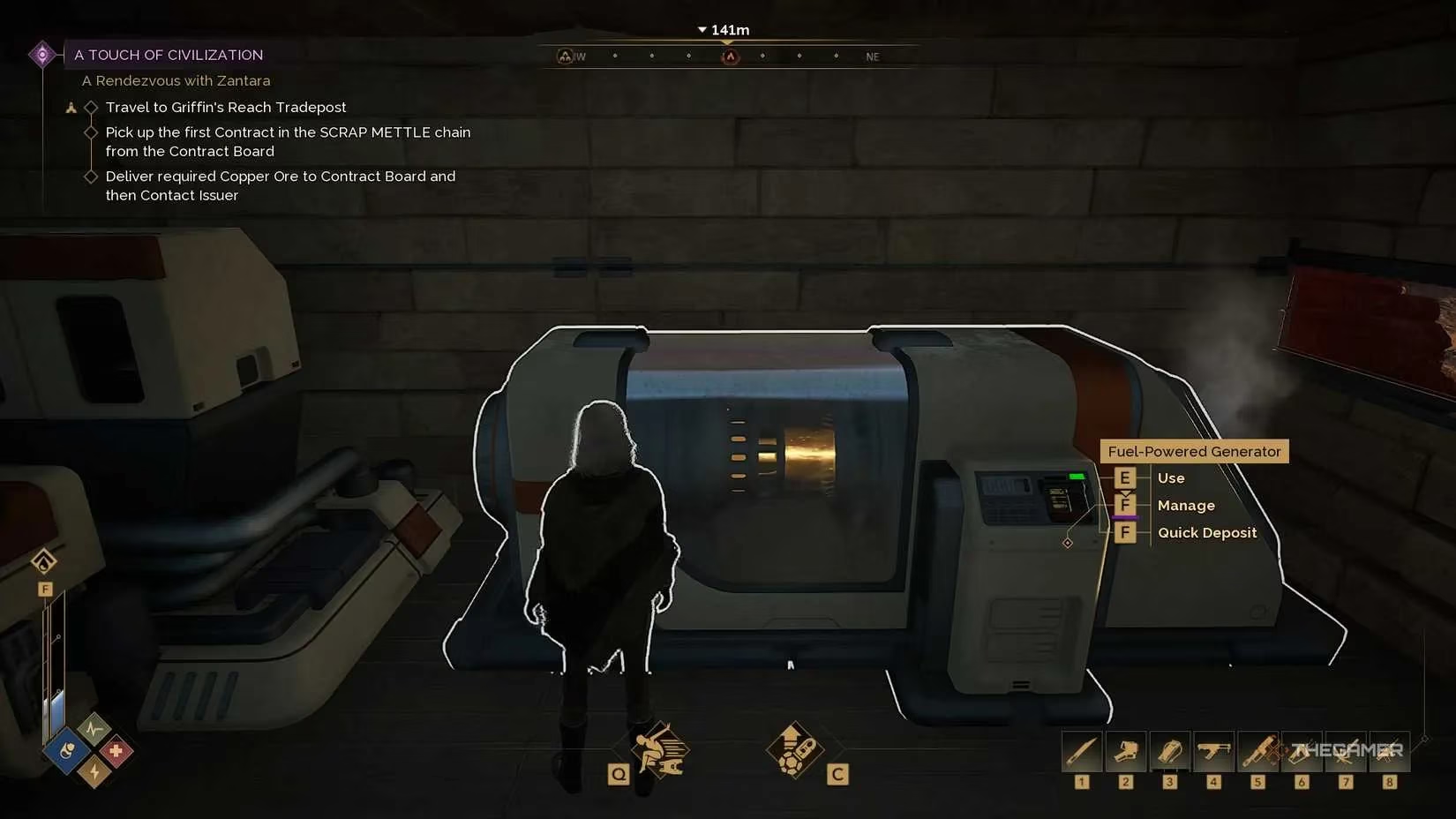
Power, power, power. I cannot stress this enough. Your crafting stations, the shield that protects your base from sandstorms, everything hums on the juice from a Fuel-Powered Generator. I got lazy once and forgot to top up the fuel cells. When I came back from a spice run, my base was dark and my gear was decaying. Fuel Cells are actually fairly common if you make looting vehicles and old wreckage a habit, but you have to remember to actually slot them into the generator. I now check my generator level before every long excursion—it’s become a ritual.
Playing solo is refreshing, but eventually I teamed up with a couple of friends for larger operations. That’s when base permissions became essential. From the Sub-Fief Console, you can set who can even walk through your doors. I had a buddy who accidentally took some rare components out of one of my machines—never again. Now, I set the base entry permissions to “friends only” and fine-tune each crafting station individually. If someone needs to use the repair bench but not my personal storage, I can lock that down in seconds. It’s a small bit of admin that prevents big frustrations.
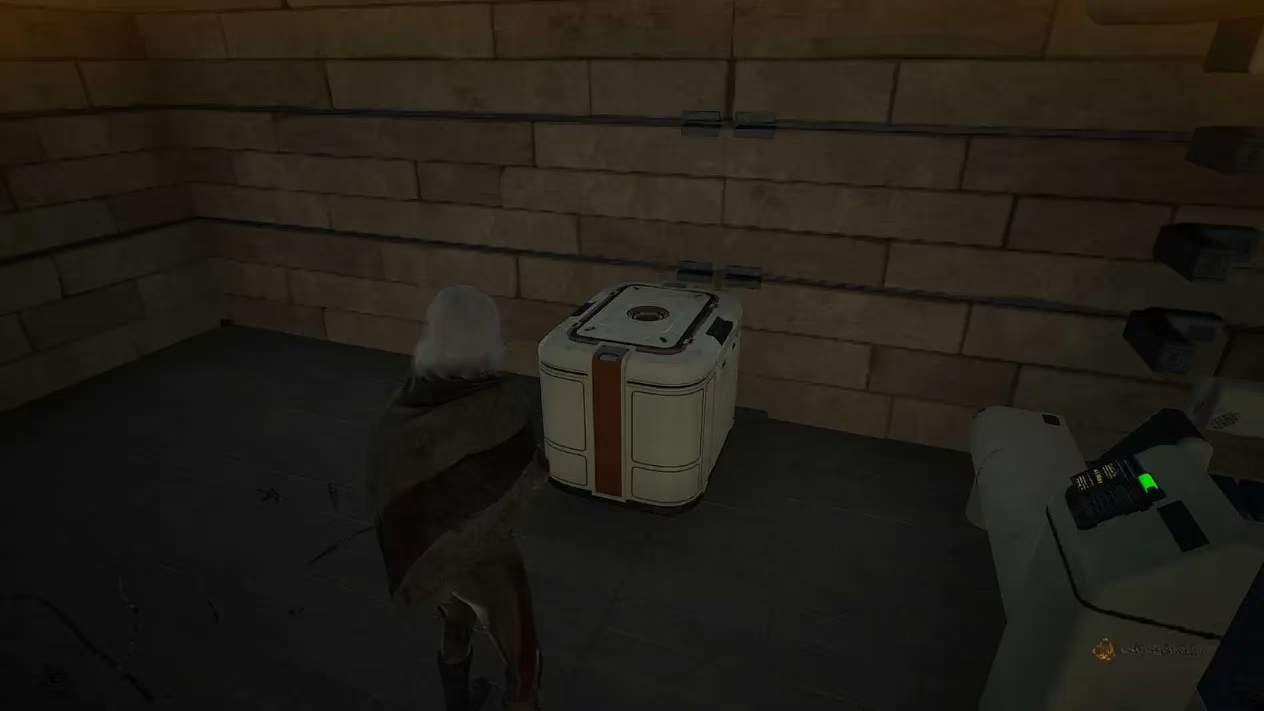
Storage containers in Dune: Awakening are more than just chests; they link directly to your crafting stations. I store everything I gather, no matter how mundane. If I die out in the desert (and trust me, I have, many times), the items in my base storage are safe and still usable at the benches. That means I can craft a new stillsuit, load up on water, and head back out without any downtime. There’s a special peace of mind knowing my most valuable materials are sitting in a locked, powered room miles from the worm zone.
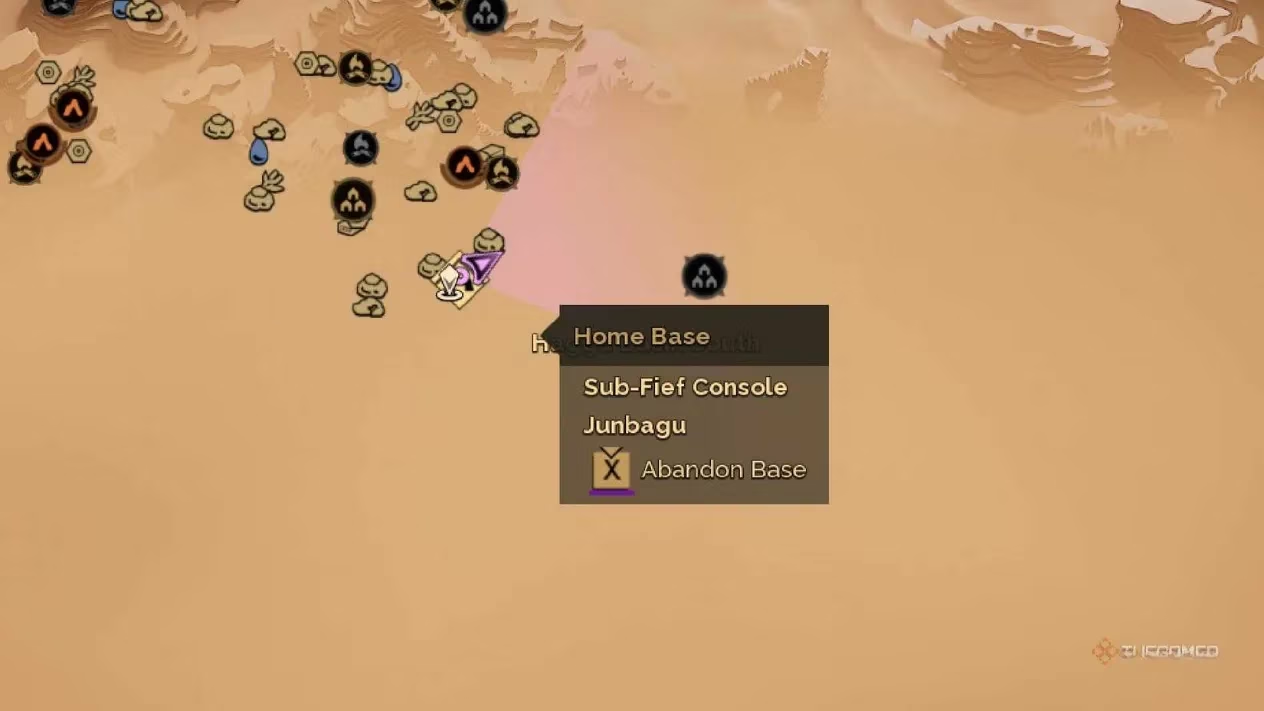
And finally, the day came when I decided to move. My first base, while cozy, was now in a resource-poor area and too cramped for an upcoming vehicle expansion. Moving isn’t instant, but it’s doable. You need to research and craft the Solido Replicator, which requires 20 Salvaged Metal—a moderate investment early on. Once built, I pointed it at my base and scanned the entire layout into a blueprint. Then I packed up my Sub-Fief Console and headed to a stunning mesa I’d discovered on a recent exploratory drive. At the new site, I placed a fresh console and used the Solido Replicator to paste down my entire previous design as a ghost layout. I still had to provide all the materials again, but I didn’t have to redo any of the planning. My garage, crafting corner, and storage hub appeared exactly as before, and I just fed it resources. The transition was surprisingly smooth, and my new view of the setting suns was worth every step.
Looking back, building in Dune: Awakening isn’t about getting it perfect on the first try. It’s about adapting—finding flat land near water, planning with blueprints, keeping the power flowing, and treating your storage as your lifeline. And if, like me, you eventually outgrow your first spot, the desert is vast, and a new horizon is always waiting. Just scan, salvage what you can, and let the Solido Replicator carry your vision forward. The sand doesn’t judge your early mistakes; it only asks you to keep building.